The Evolution of Modern Birdhouses: Blending Function with Aesthetic Charm

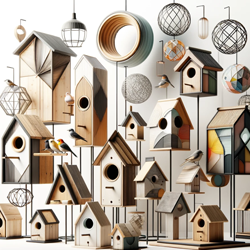
The humble birdhouse, often perched quietly in gardens and backyards, holds a story of remarkable evolution, mirroring changes in human aesthetics, architectural trends, and our relationship with nature. Birdhouses, originally conceived as simple shelters, have evolved into intricate pieces of art that delight both avian inhabitants and human observers. This journey from practicality to ornamental elegance reflects a broader narrative of how everyday objects can transcend their utilitarian origins to become symbols of beauty and creativity.
Centuries ago, functional decorative birdhouses served a purely functional role. They were crafted to provide refuge to birds, particularly in areas where natural nesting spots were scarce. Made from readily available materials like wood, reeds, and clay, these early birdhouses were basic in design, focusing solely on offering protection to birds. However, as human civilization progressed, so did our understanding and appreciation of nature and its inhabitants. This change sparked a transformation in how we viewed and interacted with elements of the natural world, including birdhouses.
The allure of birdhouses began to extend beyond their practical purpose, capturing the imagination of gardeners, bird lovers, and artisans. People started to see birdhouses not just as shelters for birds but as an opportunity to bring a piece of nature closer to their homes, in a way that also reflects their personal style and the architectural beauty of their surroundings. This shift marked the beginning of an era where birdhouses were no longer just functional structures but also key elements of garden decor and expressions of artistic craftsmanship.
This evolution of birdhouses is not merely a tale of changing designs and materials. It is a reflection of our growing consciousness about the environment and our desire to coexist harmoniously with nature. As we delve deeper into the transformation of these charming structures, we uncover a fascinating intersection of art, nature, and human ingenuity that has given rise to the modern birdhouse – a symbol of aesthetic charm and a testament to our enduring love for birds.

The Roots of Birdhouse Design
The concept of birdhouses dates back centuries, with the primary intent of providing safe nesting spots for birds. Early birdhouses were simplistic, primarily made from natural materials like wood and clay. Their designs were straightforward, focusing on practicality and basic shelter against the elements. These structures were often found in rural settings, serving as a refuge for birds in the absence of natural nesting sites.
20th Century: A Shift Towards Decorative Birdhouses
The 20th century heralded a pivotal shift in the design and perception of birdhouses, transforming them from mere functional structures to ornate works of art. This era was characterized by a blossoming of creativity and innovation in various fields, and birdhouse design was no exception. The advent of new materials, along with a burgeoning interest in gardening and bird watching, propelled birdhouses into the realm of decorative art.
During this period, birdhouses began to reflect a diverse range of architectural styles, mirroring the dynamism and eclecticism of 20th-century architecture. From quaint Victorian cottages to sleek Art Deco structures, birdhouses became miniature representations of human dwellings. This not only showcased the creativity of their makers but also allowed homeowners to express their personal style in their gardens.
The use of new materials like plastics and metals, alongside traditional wood, opened up new possibilities in terms of design, durability, and color. Birdhouses were no longer confined to the natural hues of wood; they now sported vibrant colors and intricate patterns, becoming focal points in gardens and yards. This period also saw the introduction of whimsical designs, with birdhouses shaped like lighthouses, churches, and even whimsical fairytale castles. These imaginative creations were not just pleasing to the eye but also sparked interest and conversation, making them popular additions to gardens.
In addition to aesthetic advancements, the 20th century also brought about a greater understanding of bird behaviors and needs. This knowledge influenced birdhouse design, leading to more bird-friendly features such as varying entrance hole sizes to accommodate different species, ventilation systems, and easy-to-clean structures. The balance between aesthetic appeal and functionality became a hallmark of this era's birdhouse designs.
Moreover, this century marked the beginning of bird conservation efforts, which in turn influenced birdhouse popularity. As people became more aware of the need to protect and nurture wildlife, providing a safe haven for birds in their gardens became a cherished endeavor. Birdhouses were no longer just decorative items; they played a role in the conservation of bird populations, especially in urban areas where natural nesting spots were diminishing.
The 20th century's contribution to fun birdhouse design was thus multifaceted, combining artistic expression, technological innovation, and a growing environmental consciousness. This era set the stage for the modern birdhouses of today, which continue to evolve in design while honoring their roots in providing refuge to our feathered friends.
Modern Birdhouses: A Fusion of Art and Nature
Today, modern birdhouses represent a perfect blend of art, functionality, and environmental consciousness. Designers and homeowners alike are embracing innovative designs that not only provide a haven for birds but also enhance outdoor decor. Contemporary birdhouses come in various shapes and sizes, boasting features like eco-friendly materials, solar-powered lighting, and weather-resistant coatings.
Intricate designs that complement a house’s architecture or garden layout are now in vogue. Some modern birdhouses are even designed with specific bird species in mind, tailored to their unique nesting preferences. This thoughtful approach not only aids in bird conservation but also encourages a closer connection with nature.
The Role of Technology in Birdhouse Evolution
Advancements in technology have also played a crucial role in the evolution of birdhouses. With 3D printing and computer-aided design, creating complex and unique birdhouses has become more accessible. Smart birdhouses, equipped with cameras and environmental sensors, offer bird enthusiasts a new way to engage with and monitor their avian visitors, bridging the gap between nature and technology.
Conclusion: The Future of Birdhouse Design
As we look towards the future, the evolution of birdhouses stands as a testament to human ingenuity and our ever-changing relationship with nature. Today's birdhouses are not merely shelters for avian visitors; they are symbols of our desire to harmonize with the natural world, while also fulfilling our aesthetic aspirations. The journey of birdhouse design, from simple utilitarian structures to elaborate pieces of art, mirrors our own evolution in appreciating and nurturing the environment around us.
The future of birdhouse design holds boundless potential, as we continue to explore new materials, technologies, and ecological considerations. We can anticipate birdhouses that not only serve as refuges for birds but also as sustainable elements in our gardens, utilizing eco-friendly materials and incorporating features like rainwater harvesting or solar-powered lighting. The integration of technology, such as smart monitoring systems, offers us deeper insights into the lives of our feathered friends, fostering a closer connection with the natural world.
Moreover, as urbanization continues to limit natural habitats, the role of birdhouses in conservation efforts becomes increasingly significant. Thoughtfully designed birdhouses can provide crucial nesting sites for various bird species, contributing to biodiversity and ecological balance in urban settings. This conservation aspect adds another layer of meaning to birdhouse design, aligning it with broader environmental goals.
The aesthetic evolution of birdhouses also continues, with designs becoming more personalized and reflective of individual tastes and cultural influences. From minimalist designs that complement modern architecture to ornate creations that echo historical styles, birdhouses have the potential to become even more diverse and expressive.
In conclusion, the modern birdhouse is more than just a home decor item or a sanctuary for birds; it is a bridge between humanity and nature, a reflection of our artistic endeavors, and a symbol of our commitment to environmental stewardship. As we move forward, the evolution of birdhouses will undoubtedly continue to captivate and inspire, reminding us of the beauty and importance of coexisting with the natural world.
About the Author